The law
3 writings-
 500 BCFinal form c. 6th–5th century BC
Genesis: the call of Abraham
Traditionally Moses
The first book of the Torah. In chapter 12 God calls Abraham and promises that through him all the families of the earth will be blessed, a promise Paul read as the gospel announced in advance.
→ -
 500 BCFinal form c. 6th–5th century BC
Exodus: the first Passover
Traditionally Moses
The second book of the Torah. Chapter 12 institutes the Passover, with its unblemished lamb whose blood marks the doors and whose bones are not to be broken, a pattern the New Testament sees in the death of Jesus.
→ -
500 BCFinal form c. 6th–5th century BC
Numbers: the bronze serpent and the star
Traditionally Moses
The fourth book of the Torah, following Israel through the wilderness. Chapter 21 tells of the bronze serpent lifted on a pole, and chapter 24 of Balaam’s oracle of a star rising out of Jacob.
→
The kingdom and the psalms
2 writings-
 600 BCc. 7th–6th century BC
2 Samuel: the promise to David
Anonymous; Jewish tradition names Samuel, Nathan and Gad
The story of David’s reign, c. 1000 BC. In chapter 7 God promises David, through the prophet Nathan, a son and a throne established forever, the root of Israel’s hope for a messiah from David’s line.
→ -
700 BCc. 1000–400 BC
Psalms: the songs read of the Messiah
Traditionally David and other psalmists
Eight of Israel’s psalms that the New Testament reads as speaking of Jesus: royal songs of the king God enthrones, and laments of a righteous sufferer, including Psalm 22, whose opening words Jesus cried from the cross.
→
The prophets
8 writings-
 700 BCc. 740–500 BC
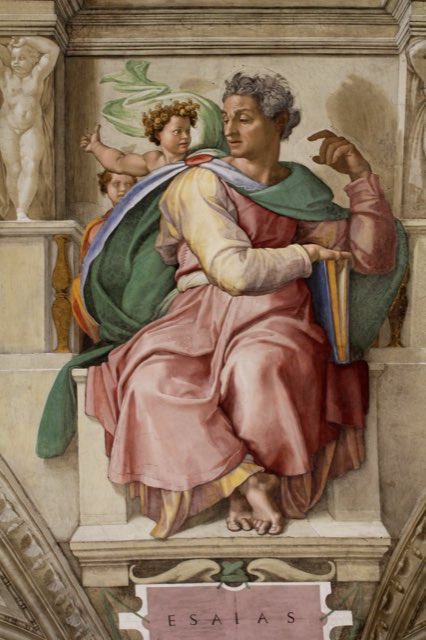
Isaiah: the chapters read as prophecy
Traditionally Isaiah son of Amoz
The longest of the prophets, from Jerusalem in the eighth century BC. These chapters, from the sign of Immanuel to the suffering servant of chapter 53, are the ones the New Testament draws on most to explain who Jesus was.
→ -
 600 BCc. 627–580 BC
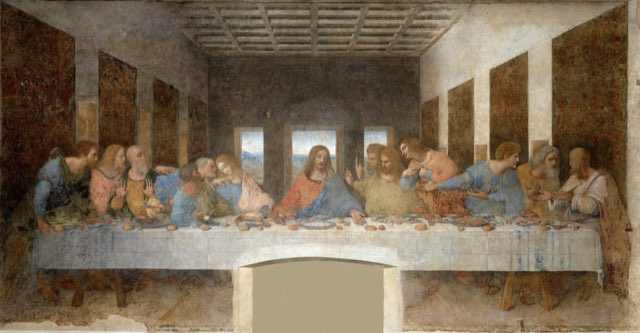
Jeremiah: Rachel’s weeping and the new covenant
Jeremiah, with his scribe Baruch
The prophet of Jerusalem’s last years before the Babylonian conquest. Chapter 31 holds Rachel weeping for her children and the promise of a new covenant written on the heart.
→ -
 530 BC6th century BC setting; c. 165 BC on the critical view
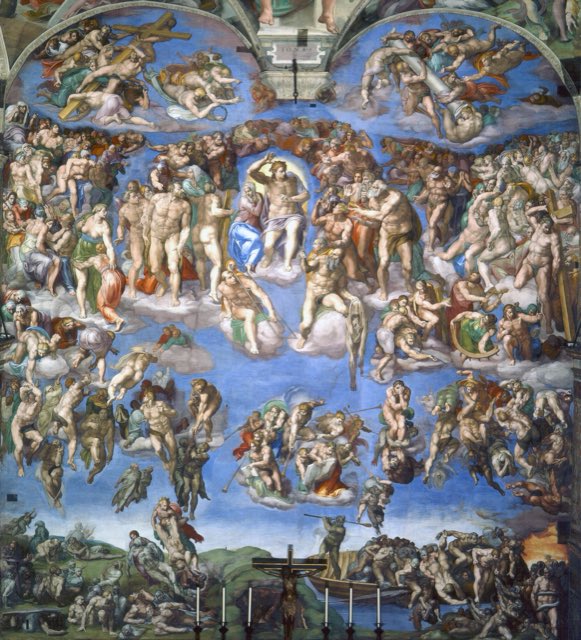
Daniel: the vision of the Son of Man
Traditionally Daniel
Visions of the empires and of God’s coming kingdom. In chapter 7 one like a son of man comes with the clouds to receive an everlasting dominion, the figure Jesus named himself by.
→ -
 740 BCc. 750–725 BC
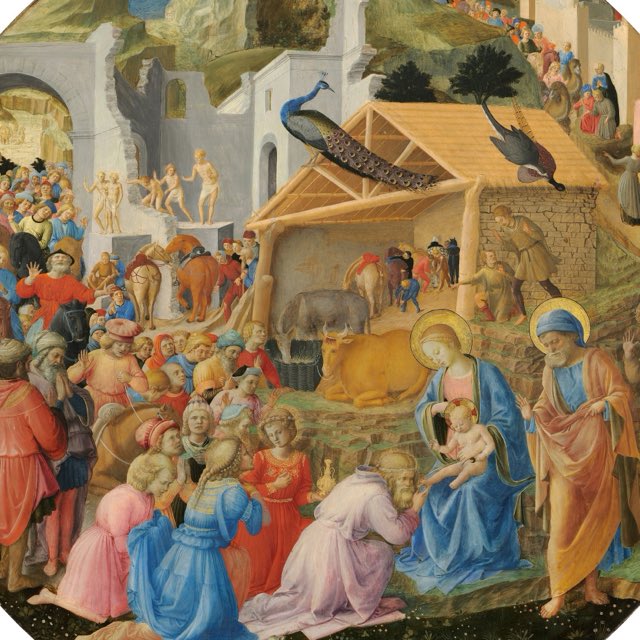
Hosea: out of Egypt I called my son
Hosea son of Beeri
A prophet of the northern kingdom in the eighth century BC. Chapter 11 remembers God calling Israel, his son, out of Egypt, a line Matthew applies to the return of the child Jesus.
→ -
 500 BCDate disputed, c. 9th–4th century BC
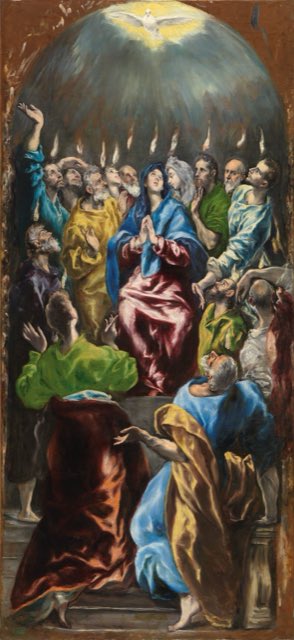
Joel: the Spirit poured out
Joel son of Pethuel
A prophet of the day of Yahweh. Chapter 2 promises that God will pour out his Spirit on all flesh, the passage Peter quoted at Pentecost.
→ -
 600 BCc. 8th–5th century BC
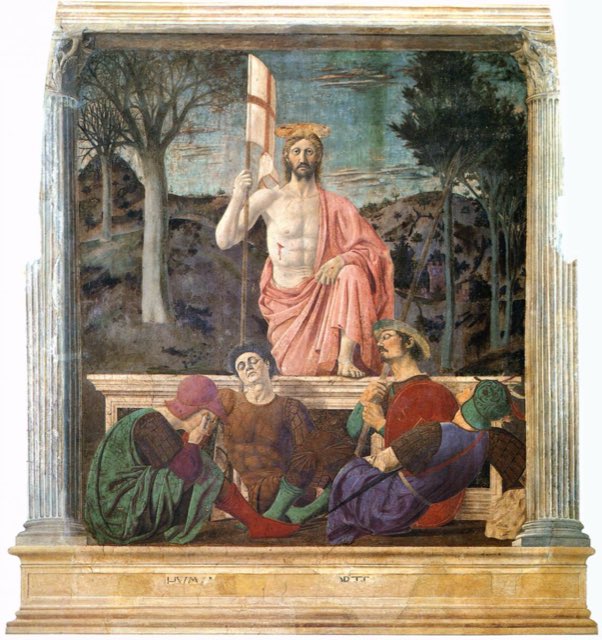
Jonah: three days in the fish
Traditionally Jonah son of Amittai
The story of a prophet who flees God’s call and is swallowed by a great fish for three days and three nights, the sign Jesus gave of his own death and rising.
→ -
 720 BCc. 735–700 BC
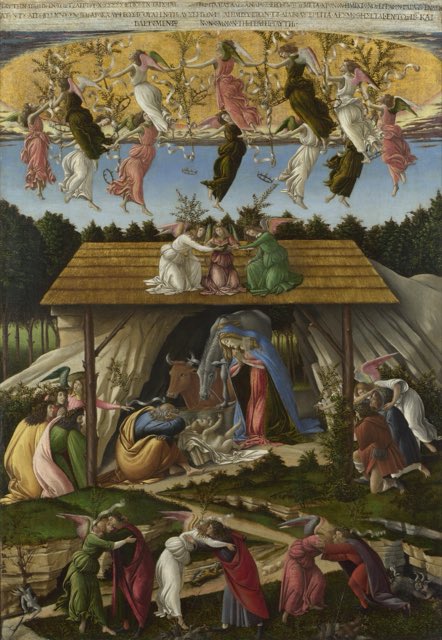
Micah: the ruler from Bethlehem
Micah of Moresheth
A prophet of Judah in the late eighth century BC. Chapter 5 looks for a ruler of Israel from Bethlehem, David’s town, whose origins are from of old.
→ -
 500 BCc. 520–450 BC
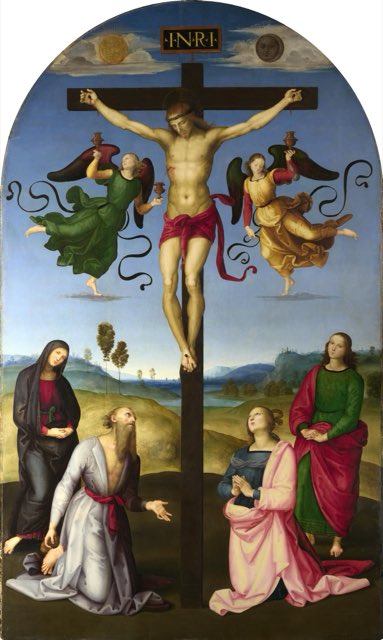
Zechariah: the humble king and the stricken shepherd
Traditionally Zechariah son of Berechiah
A prophet of the return from exile. These chapters, of the king riding on a donkey, the thirty pieces of silver, the one who was pierced and the shepherd struck, shape the Gospels’ account of Jesus’s last days.
→